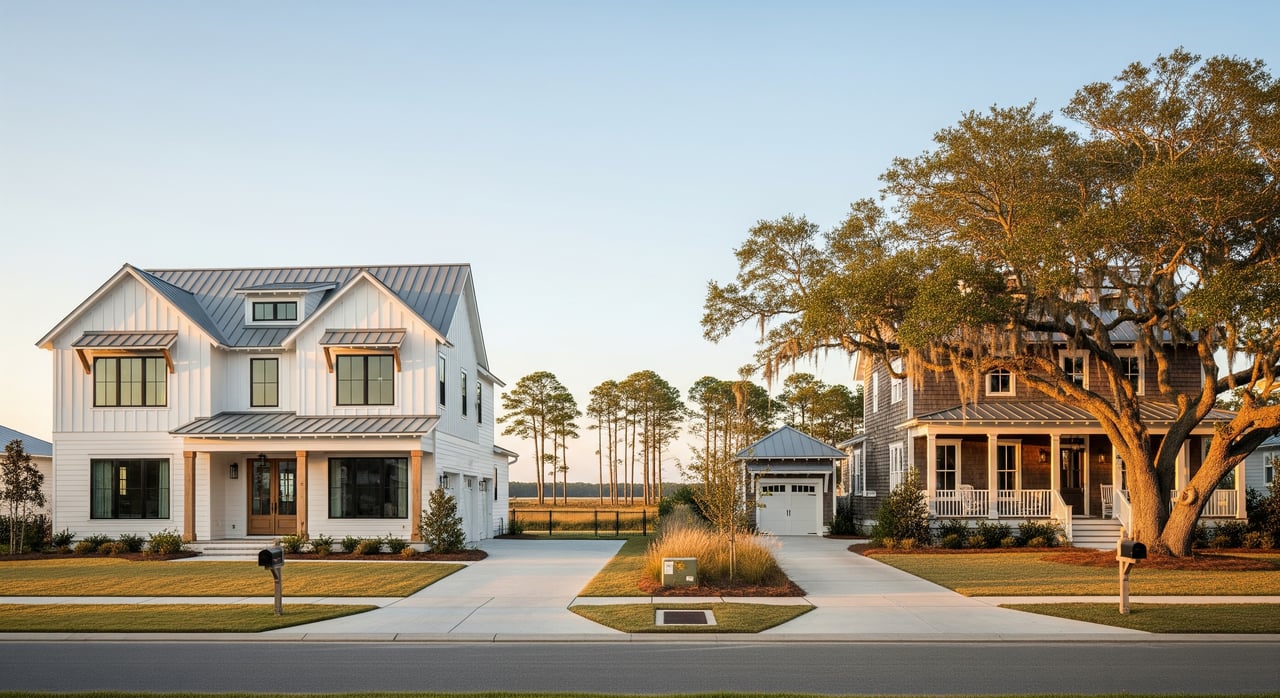
Are you deciding between a brand-new build or a well-kept resale near Camp Lejeune? With PCS timing, coastal weather, and fast-changing incentives, it can feel like a lot to sort out. You want a smart move that fits your budget, commute, and timeline. This guide breaks down the real pros and cons of new vs. resale in Jacksonville and Onslow County, plus financing, warranties, inspections, and local flood considerations so you can move forward with confidence. Let’s dive in.
Jacksonville market realities
Military moves shape demand here. PCS cycles, deployment schedules, and base access points influence which neighborhoods and timelines make sense for you. If you are active duty, start with Military OneSource guidance to plan your home search around orders and timing.
This is a coastal market, so storms and flooding are part of the equation. Check your lot’s flood risk using the FEMA Flood Map Service Center. For local growth patterns, review official updates from Onslow County and the City of Jacksonville to understand where new subdivisions are planned and how that could affect commute routes, amenities, and future development.
New construction pros
- Modern energy efficiency and codes that can lower operating costs.
- Lower near-term maintenance since systems and roofs are new.
- Customization options if you buy early in the build process.
- Structured warranty support. Many builders follow a common “1-2-10” approach. See NAHB’s guidance on new-home warranties for what to expect.
- Community amenities like pools, trails, and maintained common areas.
- Builder incentives that can reduce closing costs or monthly payments.
New construction cons
- Often a higher price per square foot compared with some resales.
- Build timelines can stretch with weather, permits, or supply delays.
- HOAs and restrictive covenants are common and may limit exterior changes.
- Smaller or less mature landscaping, especially in early phases.
- Appraisals can be tricky in new communities if comparable sales are limited.
- Incentives may require using a preferred lender or title company.
Resale home pros
- Established neighborhoods with mature landscaping and known value trends.
- Often a lower upfront price per square foot than new builds.
- Move in on a normal closing timeline without construction wait.
- Flexibility to renovate over time and negotiate price or repairs.
- Easier to assess comps and long-term resale performance in the area.
Resale home cons
- Older systems may require near-term replacements. Plan for roof, HVAC, plumbing, or electrical updates.
- Coastal maintenance concerns, such as termite activity, moisture, or drainage issues.
- Renovation timelines can add weeks or months if you plan larger projects.
- Limited warranty coverage compared with new-home programs.
Costs, incentives, and VA loans
Builders often offer closing-cost credits, upgrade packages, or rate buydowns that reduce payments in the first years. Since 2022 through 2024, temporary rate buydowns have been common. Always compare the net benefit of a preferred-lender incentive against an outside lender’s long-term rate.
If you are using VA financing, start with current rules on VA home loans. Some builders accept VA loans on spec homes and are familiar with VA standards, while construction-to-permanent loans require more coordination. Confirm early that your builder works with VA loans and ask your lender to explain any limits on seller or builder concessions.
Timelines to plan
- Spec or inventory homes: often 30 to 90 days to close if the home is complete.
- Production builds: many range from 4 to 9 months after foundation start.
- Custom homes: 9 to 18 months or longer, depending on complexity and permits.
- Common delays: weather, material lead times, subcontractor schedules, and change orders.
Inspections and due diligence
Whether you choose new or resale, independent inspections matter. In coastal North Carolina, consider termite and pest, mold or moisture, septic and well (if applicable), and roof or HVAC specialists when age or condition suggests. For new construction, most builders allow pre-drywall and pre-closing inspections. Review consumer guidance from the National Association of Realtors to understand best practices.
Flood risk deserves special attention near waterways or low-lying areas. Use the FEMA flood maps, ask for an elevation certificate, and obtain flood insurance quotes early so total monthly costs are clear.
HOA, CCRs, and lifestyle
Review the covenants, conditions, and restrictions before you fall in love with a home. Check monthly dues, reserve funds, and any recent or upcoming special assessments. Note rules for fencing, parking, pets, and exterior changes so your day-to-day life fits the community’s guidelines.
How to decide quickly
- New build may fit if you want minimal maintenance, warranty protection, and are flexible on move-in timing or location within a growing corridor.
- Resale may fit if you want a larger lot, established streetscapes, a potentially lower price per square foot, or immediate occupancy.
- For either option, weigh commute time to your gate, flood risk, HOA rules, and the total monthly payment with or without builder incentives.
Local buyer checklist
Confirm commute and base access
- Check drive times at typical shift changes.
- Note access to primary gates and common traffic pinch points.
Evaluate flood and storm risk
- Search your property on the FEMA Flood Map Service Center.
- Request an elevation certificate and price flood insurance early.
Understand warranties and service
- Get the builder’s warranty coverage and response process in writing.
- Review the “1-2-10” framework and any third-party structural warranty. See NAHB for norms.
Plan inspections and due diligence
- Schedule a full home inspection. Add termite, mold, septic, well, roof, or HVAC specialists as needed.
- For new builds, confirm pre-drywall and final inspections and document all punch-list items.
Review HOA and CCRs
- Read rules, budget, and reserve statements. Ask about past assessments.
Watch for contract red flags
- Vague completion dates, heavy nonrefundable deposits, unclear finish allowances, or no defined walk-through process.
Align financing and representation
- If using VA, confirm the builder accepts VA loans and understands requirements. Start at VA Home Loans and consult Military OneSource for PCS-specific tips.
- Compare preferred-lender incentives to outside offers and look at lifetime cost, not just upfront savings.
Check local permits and timelines
- Ask about recent build durations in the same community.
- Review official updates from Onslow County or the City of Jacksonville for development and permitting context.
Get local help you can trust
Choosing between new and resale near Camp Lejeune comes down to timing, risk tolerance, and how you want to live. With warranties, incentives, inspections, and flood risk in the mix, having a single point of contact keeps the process calm and clear. If you want experienced guidance on builder negotiations, VA-friendly financing coordination, or a smart resale strategy, connect with Carla Jai Ollison for a local, consultative approach that puts your goals first.
FAQs
Is new construction more expensive in Jacksonville?
- Often yes on a price-per-square-foot basis, but builder incentives and community location can shift the comparison. Always check local MLS comps and the full cost of ownership.
Do builders near Camp Lejeune accept VA loans?
- Many do for spec homes, and some support construction-to-permanent loans. Confirm early and review requirements at VA Home Loans.
Can I hire my own inspector for a new home?
- Yes. Independent pre-drywall and pre-closing inspections are strongly recommended. See NAR’s consumer guides for inspection best practices.
What warranties come with a new home?
- Many builders follow a “1-2-10” model for workmanship, systems, and structural coverage. Details vary, so get terms in writing and review NAHB’s warranty guidance.
What surprise costs should I expect with a resale?
- Budget for possible roof, HVAC, or plumbing updates, plus termite or moisture remediation if needed. Check flood risk on the FEMA maps and price insurance early.