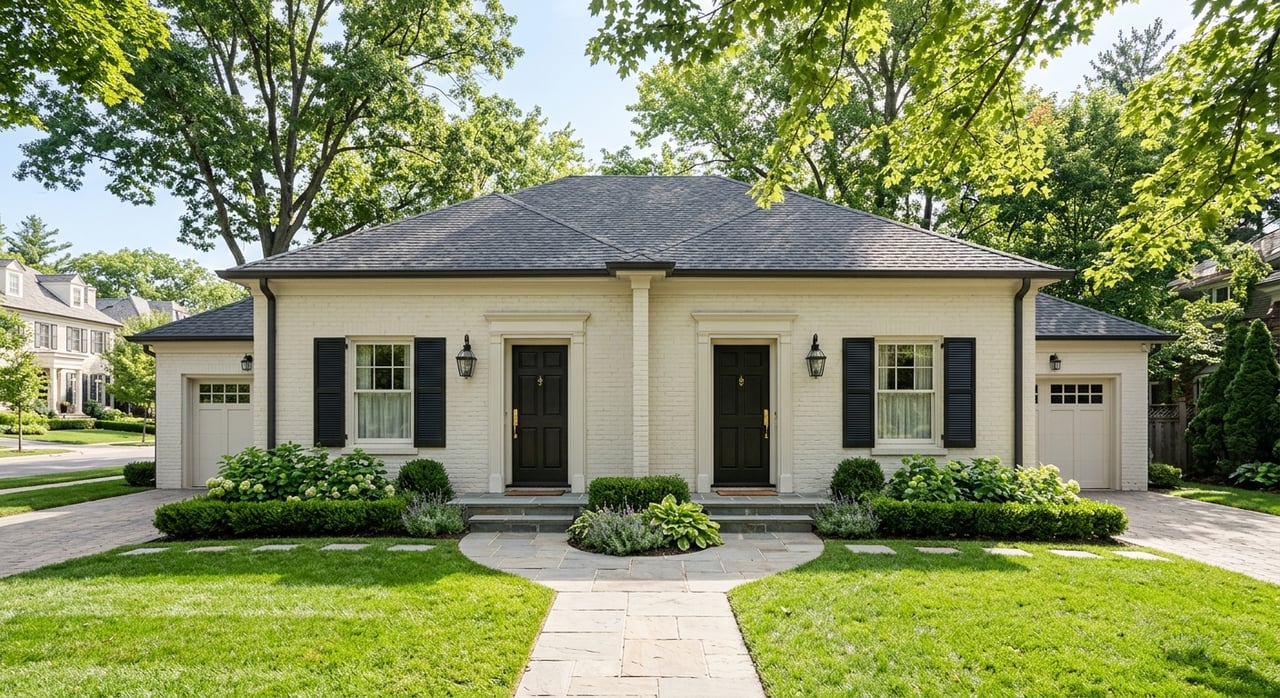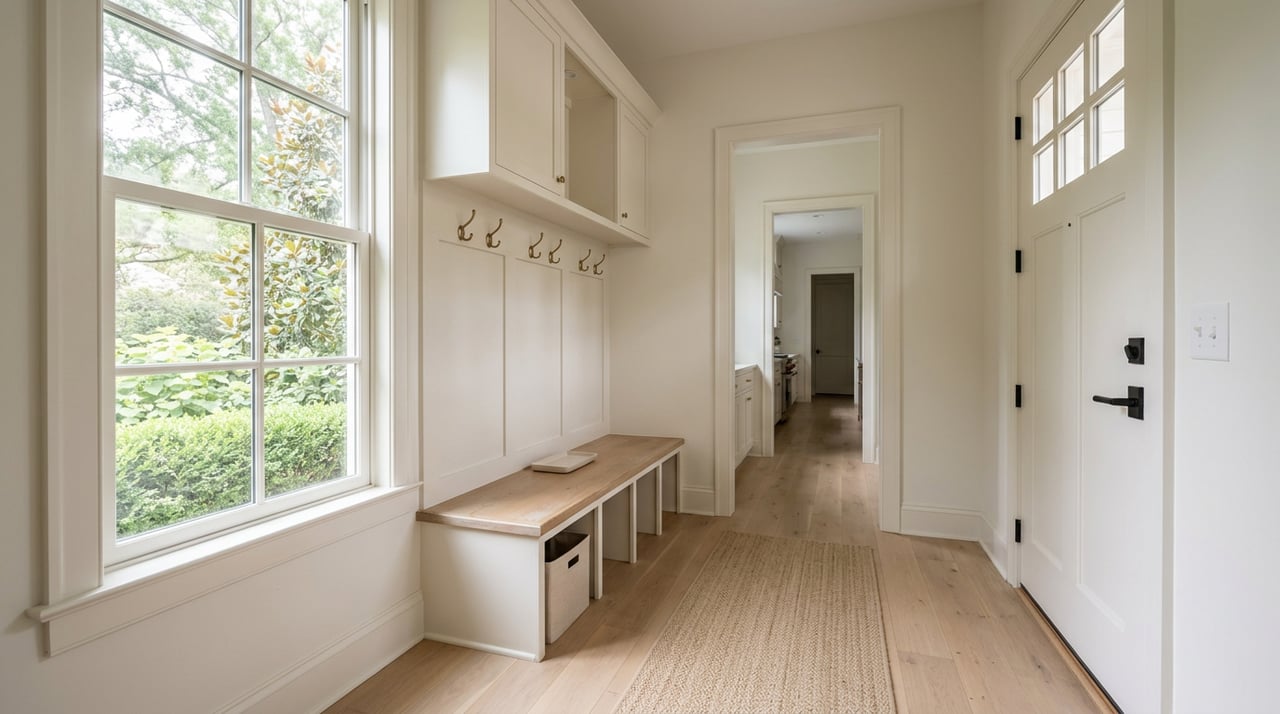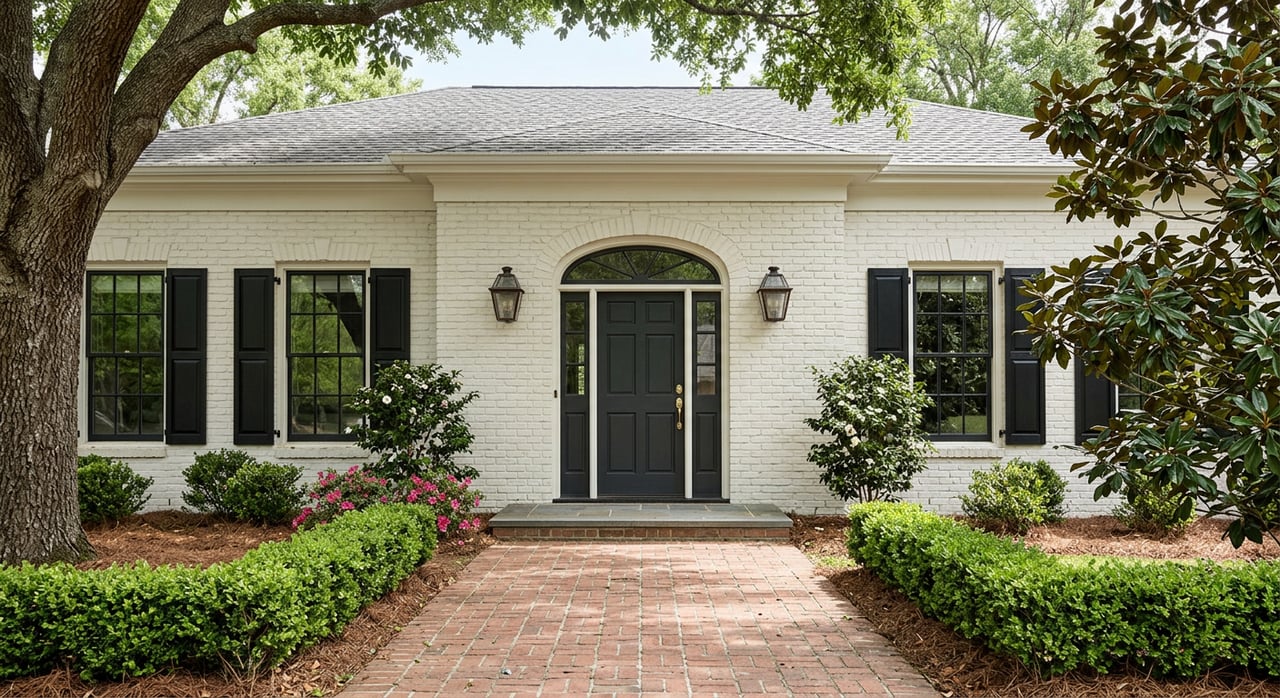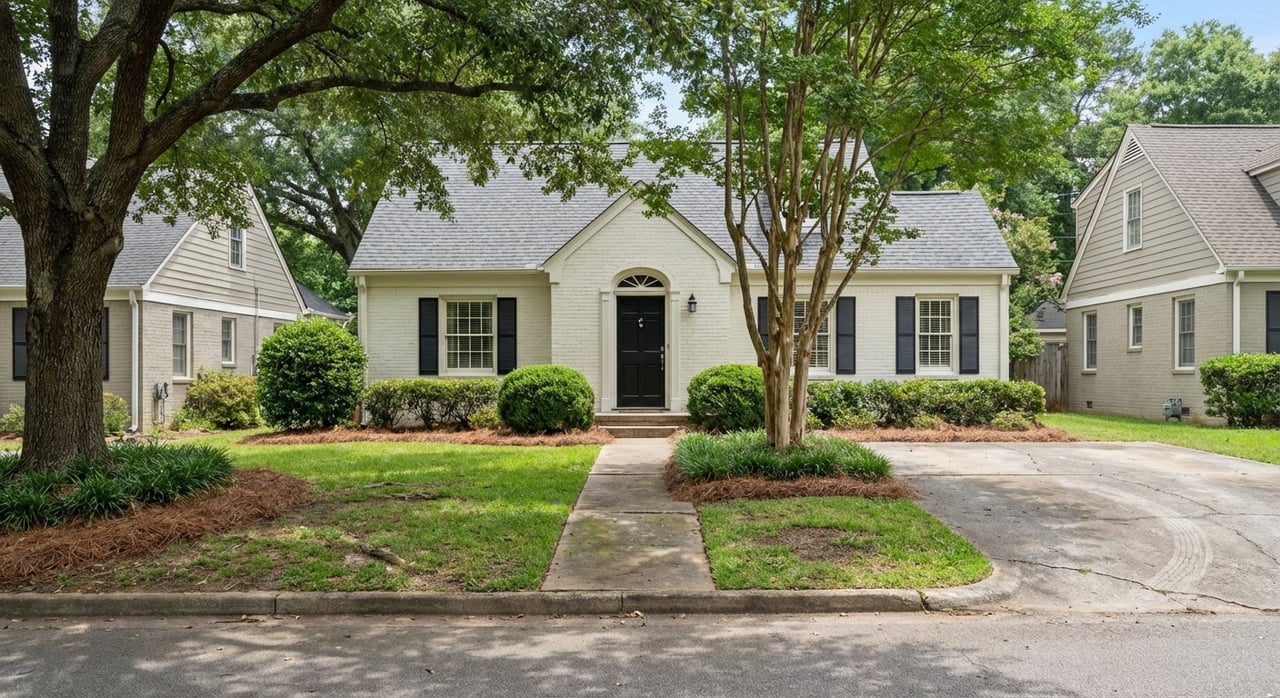
Trying to choose between the charm of downtown New Bern and the space of the suburbs? You’re not alone. Your decision shapes your daily routine, your budget, and your long-term resale potential. In this guide, you’ll compare commute options, school zoning, amenities, costs, flood and insurance factors, and what tends to hold value in Craven County. Let’s dive in.
Downtown vs suburbs at a glance
Downtown New Bern
- Historic homes and smaller lots near the Neuse and Trent rivers.
- High walkability to restaurants, shops, cultural sites, and marinas.
- Potential renovation needs and historic-district rules on exterior changes.
Suburbs and planned communities
- Newer construction, larger lots, and modern floor plans.
- Community amenities like pools, clubhouses, golf, and walking trails.
- More predictable maintenance and systems with HOA management in many areas.
Commute and daily routine
Primary local employers include CarolinaEast Health System, Craven County Schools, city and county government, retail and services, and regional employers such as MCAS Cherry Point. If you work in or near the city center, downtown can shorten your drive and let you walk or bike to daily needs. If your job is toward Cherry Point, Havelock, or retail and industrial corridors, suburban locations can offer faster highway access and smoother commutes.
Your best fit depends on where you go most. Map your peak-hour travel to work, school, and errands, then compare drive times from a few target neighborhoods.
Schools and zoning
Craven County Schools assigns students by attendance zones that can cross city limits. Families often prioritize neighborhoods aligned with specific elementary or middle schools. School zoning can also affect resale demand among buyers with school-age children. Verify current attendance maps and performance data before you make an offer.
Use school information as one factor among many. Focus on your household’s needs, commute, and budget while keeping future resale in mind.
Amenities and lifestyle
If you want to walk to dinner, galleries, and riverfront parks, downtown shines. You’ll find cultural attractions like Tryon Palace, marinas, festivals, and a compact street grid that puts daily needs close together. If you prefer a neighborhood pool, wider streets for biking, and larger grocery and retail centers, the suburbs offer those strengths in newer communities.
Most suburban errands require a car. Downtown living can reduce trips by car and add spontaneous evenings out.
Cost, maintenance, and value
Downtown historic homes can command premiums on the best blocks, especially when they sit near restaurants and parks. They may also require more ongoing maintenance or renovation and can face historic-preservation review for exterior changes. Suburban homes often deliver more square footage per dollar, open kitchens, garages, and single-level options that appeal to many move-up buyers.
Newer construction usually means fewer immediate repairs and more predictable systems. Historic homes may trade that predictability for character and location. Balance up-front price with likely renovation and ownership costs.
Flood and insurance essentials
New Bern is a coastal river city. Some areas near the Neuse and Trent rivers sit in FEMA-designated flood zones. Many lenders require flood insurance for properties in these zones, which can raise annual costs. Always check the property’s FEMA flood zone, base flood elevation, and any available elevation certificate.
Hurricane exposure also matters. Newer suburban homes are more likely to meet modern wind and flood-related building codes. Older downtown homes may have structural attributes that need careful evaluation. Get insurance estimates early so you understand your total monthly cost.
Rules: HOAs and historic districts
Downtown historic districts can require design review for exterior work, including siding, paint, porches, and additions. This protects neighborhood character but can add steps to your renovation timeline.
In many suburbs, HOAs set design standards, landscaping rules, amenity fees, and rental policies. Review covenants and fees, and confirm whether short-term rentals are allowed if that matters to you.
Resale outlook
Homes near downtown amenities, waterfront access, sought-after school zones, or strong community amenities tend to attract steady interest. In the suburbs, subdivisions with consistent home quality make pricing and comparables smoother. Move-up buyers often prefer turnkey homes with modern kitchens and open layouts.
Watch for risk factors that can limit your buyer pool. These include flood-prone locations with higher insurance costs, highly customized finishes, and deferred maintenance. Track inventory, median price, days on market, and list-to-sale price ratio when comparing neighborhoods.
Shortlists for two buyer types
First-time or budget-conscious buyer
Consider these neighborhood types:
Small historic homes near parks
- Why it fits: Walkability, character, and access to dining and events.
- Quick checks before touring:
- Flood zone and any elevation certificate.
- Permit history for major systems.
- Current attendance zone for the nearest elementary school.
Established suburban subdivisions
- Why it fits: Predictable pricing, modest yards, and proximity to shopping.
- Quick checks before touring:
- HOA rules and typical monthly or annual fees.
- Commute time to your workplace during peak hours.
- Days-on-market trends for similar homes in the past 12 months.
Entry-level new construction farther out
- Why it fits: Modern floor plans and lower immediate maintenance.
- Quick checks before touring:
- Drive-time to major job centers like MCAS Cherry Point.
- Planned community build-out that could add future supply.
- Insurance estimates, including wind and flood if applicable.
Move-up family buyer
Consider these neighborhood types:
Planned communities with amenities
- Why it fits: Pools, clubhouses, sidewalks, and social activities.
- Quick checks before touring:
- HOA covenants and amenity schedules.
- School zoning and anticipated changes.
- Recent comparable sales for similar floor plans.
Established suburbs with larger lots
- Why it fits: Extra space, mature trees, and quiet streets.
- Quick checks before touring:
- Septic or sewer status and any recent permits.
- Commute time to multiple destinations.
- Price per square foot trends and inventory levels.
Waterfront or marina communities
- Why it fits: Access to boating and scenic views.
- Quick checks before touring:
- FEMA flood zone and base flood elevation.
- Flood and wind insurance quotes.
- Shoreline, marina, and community maintenance policies.
How to choose your best fit
- Define your must-haves. List your budget, bedrooms, yard size, garage needs, and tolerance for renovations or HOAs.
- Set commute limits. Create 15, 30, and 45 minute drive-time rings around your top workplaces and daily destinations.
- Filter by home criteria. Use price, size, year built, and lot size. Add a filter to avoid certain flood zones if needed.
- Check school zones. Confirm current attendance areas and performance reports for schools on your list.
- Verify hazards and insurance. Look up the property’s flood zone and ask local insurance agents for ballpark premiums.
- Test-drive neighborhoods. Visit at rush hour and on weekends to see traffic, parking, and activity levels.
- Review comps. Compare recent nearby sales of similar homes to gauge pricing and absorption.
- Finalize a shortlist. Narrow to 3 to 5 neighborhoods that satisfy most non-negotiables and show stable market data.
Work with a local guide
You deserve a clear path and a single point of accountability. From flood checks and school zoning to commute mapping and new-build options, our team will help you compare downtown charm with suburban convenience and make a confident choice. Ready to explore New Bern and greater Craven County with a trusted advisor by your side? Connect with Carla Jai Ollison to schedule your free consultation.
FAQs
What is the key difference between downtown and suburbs in New Bern?
- Downtown offers walkability, historic homes, and cultural amenities, while suburbs offer newer construction, larger lots, and community amenities like pools and clubhouses.
How does flood risk affect buying in New Bern?
- Some areas are in FEMA flood zones that may require flood insurance, so confirm the property’s zone, elevation details, and insurance estimates early in your search.
How can I evaluate my commute to MCAS Cherry Point?
- Test peak-hour drive times from a few target neighborhoods and prioritize locations with direct highway access toward Havelock and the base.
What should I know about Craven County Schools zoning?
- Attendance zones can cross municipal lines, so verify the current assignment for each address and consider how zoning may influence future resale demand.
Do downtown historic homes have renovation rules?
- Many downtown homes sit in historic districts that require review for exterior changes, so plan for approvals and timelines if you expect to renovate.
Are HOAs common in New Bern’s suburbs?
- Many suburban communities have HOAs that manage amenities and design standards, so review covenants, fees, and any rental restrictions before you buy.